
The Technology Collapse Pattern
How Dominant Technologies Die (Book 5)
by Shane Larson · The Collapse Pattern (Book 5)
Imagine being the Kodak engineer who watched management lock away the world's first digital camera.
Every dominant technology feels permanent. None of them are.
When BlackBerry controlled 50% of the US smartphone market, its co-CEO called the iPhone a toy. When Kodak engineers demonstrated a working digital camera in 1975, management locked it in a drawer. When Flash powered virtually every interactive website on the internet, no one imagined a single open letter could kill it within a decade.
They weren't blind. They weren't stupid. The pattern that destroyed them runs deeper than bad decisions — and it's running through technologies you depend on right now.
The Technology Collapse Pattern draws on sixty years of market-defining technologies — from mainframes to crypto — to map the hidden mechanics of technological collapse. Why do dominant platforms become brittle at the peak of their power? What separates technologies that evolve from those that get erased? And how do you recognize the signs before the obituaries are written?
Inside this book:
- The structural dynamics that make market dominance a liability, not a shield
- Case studies in irreversible collapse: BlackBerry, Palm, Kodak, Flash, MySpace, Vine, Java Applets, ActiveX, and more
- The eight early warning signs a technology is entering its terminal phase
- A technology health assessment framework you can apply to any stack today
- A practical playbook for engineers, executives, and investors navigating a transition
This isn't industry commentary. It's pattern recognition from a practicing enterprise architect who has spent fifteen years inside the transitions — migrating systems, advising organizations, and watching the same failure modes repeat across every era of computing.
Book 5 in The Collapse Pattern Series.
More in The Collapse Pattern

The Collapse Pattern
How Great Civilizations Destroy Themselves
Ignoring Rome's warning signs wasn't just reckless, it set the stage for irreversible collapse.
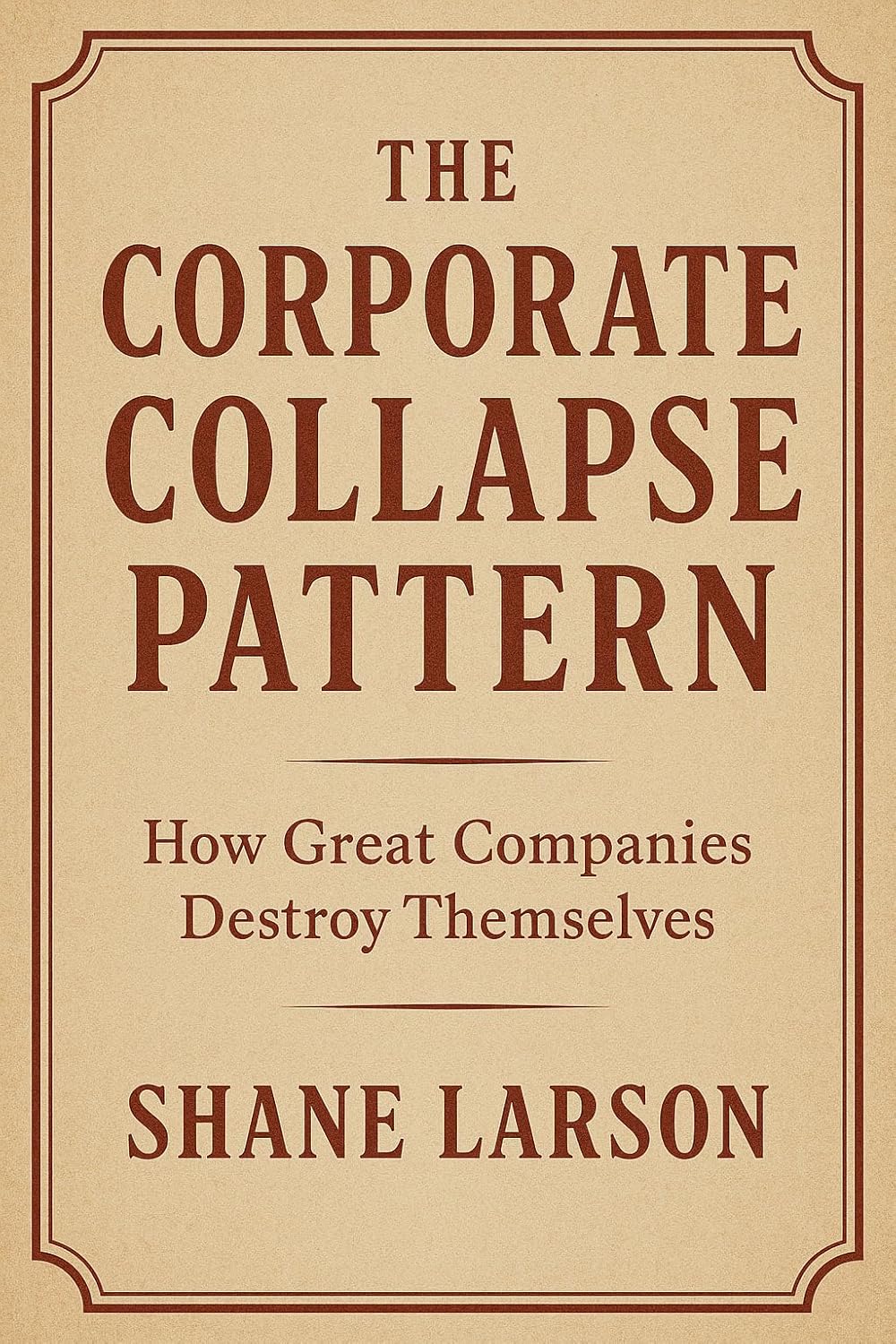
The Corporate Collapse Pattern
How Great Companies Destroy Themselves (Book 2)
Kodak, Blockbuster, and Nokia were industry giants—until their own decisions led to their downfall.

Economic Collapse Pattern
How Financial Systems Destroy Themselves
When investors ignored skeptics in 2008, it led to a global financial meltdown that changed economies forever.
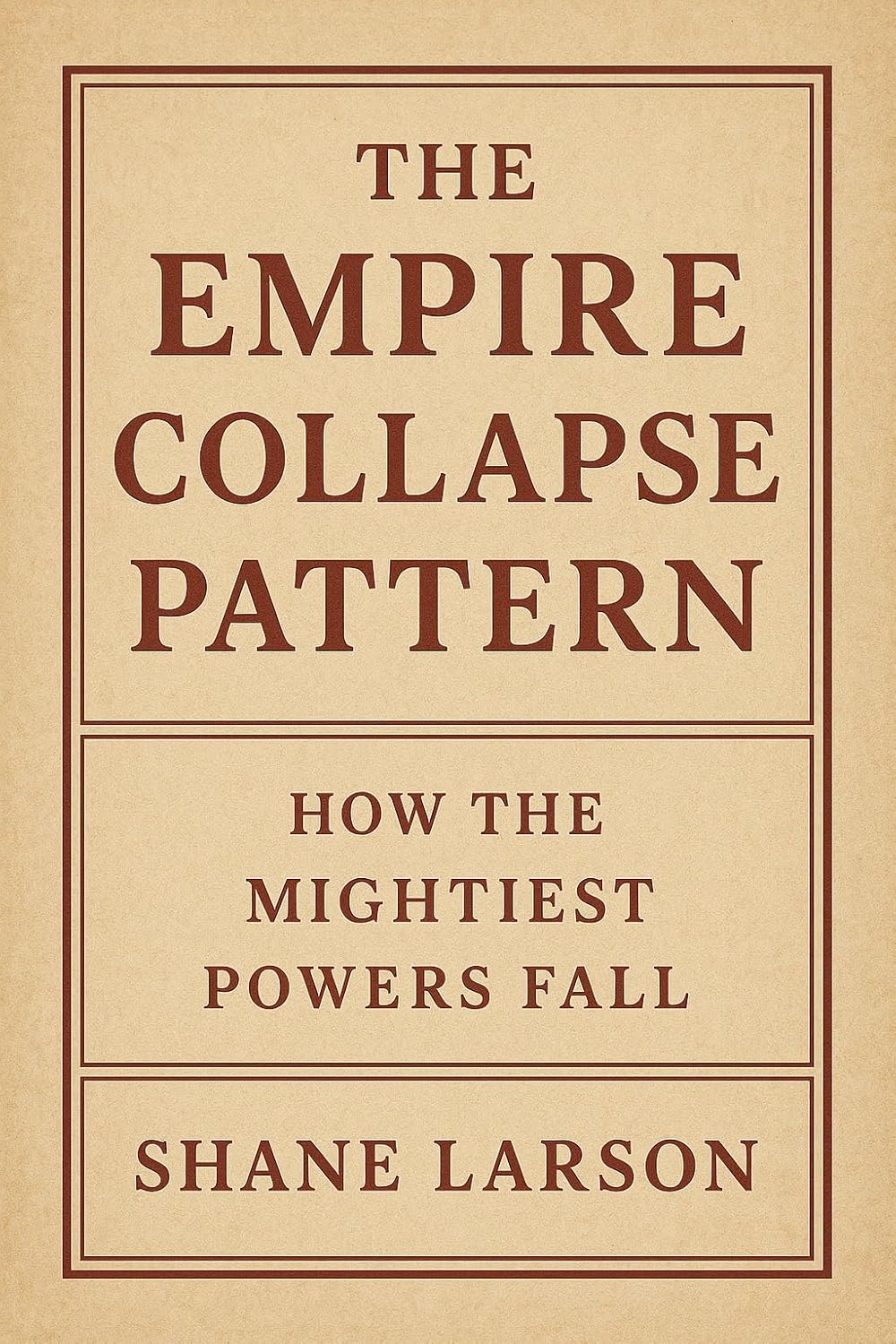
The Empire Collapse Pattern
How the Mightiest Powers Fall
No empire, from Rome to the Soviets, fell due to enemies — they crumbled from within.

The Institutional Collapse Pattern
When Trusted Systems Lose Their Legitimacy
When seven pillars of society crumble together, the world as we know it is at stake.

Collapse Proof
What Makes Systems Survive When Everything Else Falls
Failing to understand why Nintendo outlasted Atari could mean repeating history's greatest business collapses.
Get new articles by email
Join the list for new tutorials on API development, AI applications, and software architecture — plus early word on new books. No spam, unsubscribe anytime.
We never share your address. One-click unsubscribe in every email.