Alaskan Affiliate Empire: Promoting Gear I Actually Use
I made $47.82 in affiliate commissions last month. Let that sink in before you read any further.
I made $47.82 in affiliate commissions last month. Let that sink in before you read any further.
If you're here expecting a story about how I built a six-figure passive income machine from my cabin in Alaska, you're going to be disappointed. What I can tell you is how I built a small, honest, and growing affiliate revenue stream by doing something that most affiliate marketers never bother with: actually using the products I recommend.
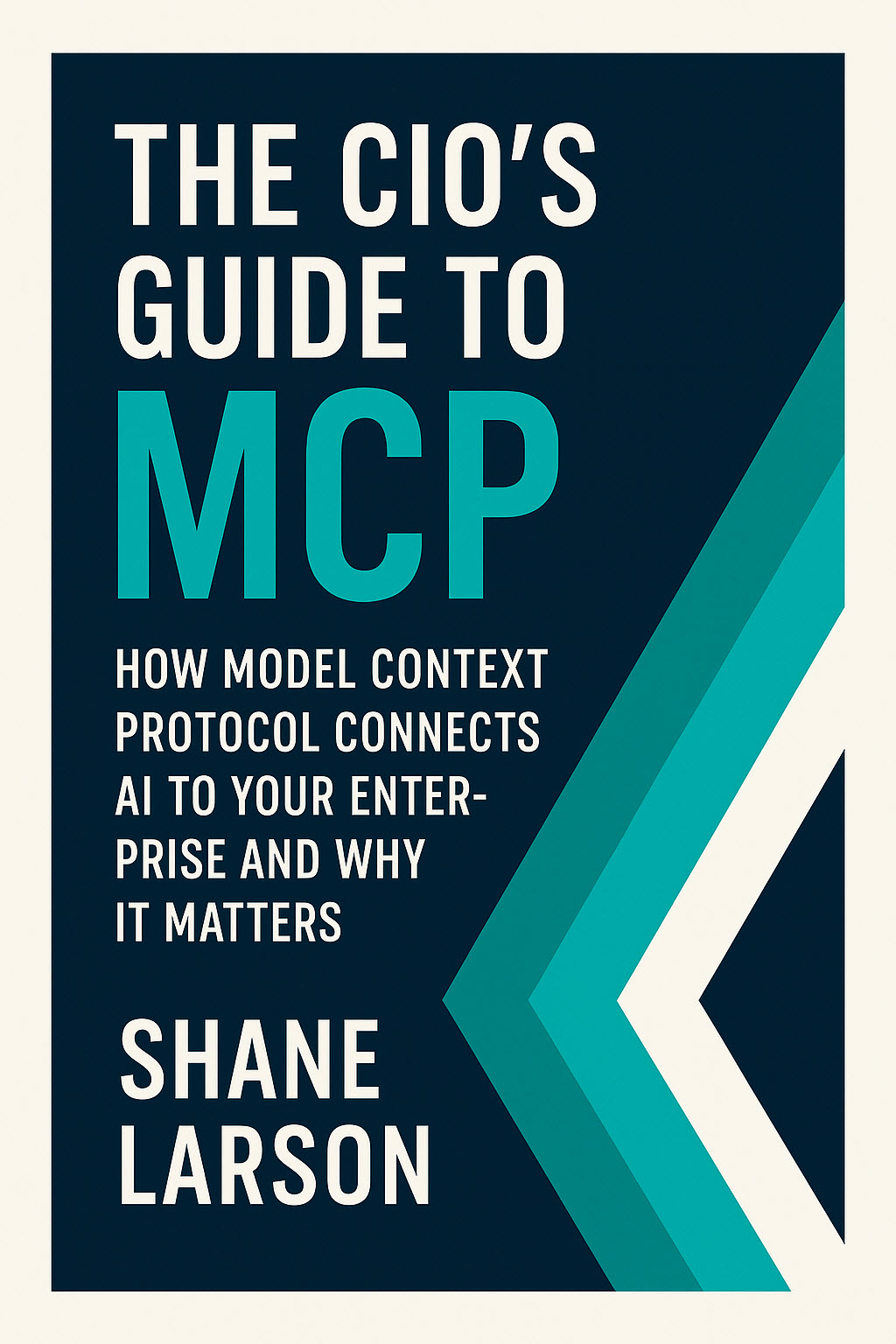
The CIOs Guide to MCP: How Model Context Protocol Connects AI to Your Enterprise and Why It Matters
Stop building custom AI integrations. MCP is the universal standard adopted by Anthropic, OpenAI, Google, Microsoft. CIO guide to enterprise adoption.
Learn MoreI've been running Grizzly Peak Software from Caswell Lakes, Alaska for a while now. I've also been running AutoDetective.ai. Between the two, I've learned a lot about what makes online businesses work — and what makes them feel slimy. Affiliate marketing sits right at that intersection. Done wrong, it's spam. Done right, it's a genuine service to your audience. I'm trying to do it right, and I want to walk you through how.
The Problem with Most Affiliate Content
Here's what killed my interest in affiliate marketing for years: the content is almost universally terrible. You've seen it. "Top 10 Best Laptops for Developers in 2026" written by someone who has clearly never written a line of code. Every product gets a glowing review because every product has a commission attached. The "comparison" articles that compare products the author has never touched, assembled entirely from Amazon bullet points and other affiliate articles.
I refused to do that. As a result, I didn't do affiliate marketing at all for the first twenty-something years of my career. Which, in retrospect, was leaving money on the table for no good reason.
The breakthrough came when I realized I was already recommending products to people. Friends, colleagues, readers who emailed asking what microphone I use for recording, what UPS keeps my servers alive through Alaska power outages, what satellite internet setup I'm running. I was doing the work of an affiliate marketer without getting paid for it.
So I started getting paid for it.
The Alaska Angle: Why Location Matters
Living in Alaska gives me a genuine edge in one specific niche: gear that works in extreme conditions. This isn't a manufactured angle. It's my actual life.
When I recommend a UPS system, it's because I've watched it keep my development environment alive through a January power outage at -30F while the wind was trying to rip my roof off. When I recommend a specific satellite internet terminal, it's because I've personally scraped ice off it at 6 AM so I could push a deployment. When I recommend a particular external hard drive enclosure, it's because the cheaper one I tried first cracked in the cold.
That lived experience is impossible to fake, and readers can tell the difference. My affiliate content converts at a higher rate than industry averages, and I'm convinced it's because people can smell authenticity — even through a screen.
What I'm Actually Promoting
Let me be specific about the categories where I've built affiliate relationships, because vague advice is useless advice.
Power and Infrastructure: This is my strongest category. Alaska's power grid is… let's call it "character-building." I've tested more UPS units, surge protectors, and battery backup solutions than any sane person should. The ones that survive get recommended. The ones that don't get written about honestly — and those honest negative reviews actually drive more trust and more clicks on the products I do recommend.
Remote Work Hardware: Satellite internet hardware, ruggedized networking equipment, cold-weather-rated external drives. Again, I'm not reviewing these from a temperature-controlled office in San Jose. I'm reviewing them from a cabin where the indoor temperature occasionally dips below 50F if I let the wood stove burn too low overnight.
Developer Tools and Books: This is the natural fit for a software engineering blog. I recommend books I've actually read, tools I've actually used in production, and services I've actually deployed. My book on training LLMs has an affiliate link, obviously. But so do other authors' books that I genuinely think are worth reading.
Outdoor and Survival Gear: This might seem off-brand for a tech blog, but it's not. My readers know I live in Alaska. They're curious about the lifestyle. And a surprising number of them are remote workers considering similar moves to rural areas. When I write about the gear that keeps me functional in the wilderness, it resonates with a segment of my audience that's larger than you might expect.
The Technical Implementation
Let me get into the nuts and bolts, because this is a tech blog and you probably want to see some code.
I built a simple affiliate link management system that lets me track which links are performing and swap out expired or changed URLs without editing every article that references them. Here's the basic approach:
// affiliateLinks.js — centralized link management
var affiliateLinks = {
  'ups-cyberpower-1500': {
    url: 'https://www.amazon.com/dp/B00429N19W?tag=grizzlypeak-20',
    product: 'CyberPower CP1500AVRLCD UPS',
    category: 'power',
    active: true
  },
  'starlink-standard': {
    url: 'https://www.starlink.com/?referral=grizzlypeak',
    product: 'Starlink Standard Kit',
    category: 'internet',
    active: true
  },
  'ssd-samsung-t7': {
    url: 'https://www.amazon.com/dp/B0874XN4D8?tag=grizzlypeak-20',
    product: 'Samsung T7 Shield Portable SSD',
    category: 'hardware',
    active: true
  }
};

function getAffiliateLink(key) {
  var link = affiliateLinks[key];
  if (!link || !link.active) {
    console.warn('Affiliate link not found or inactive: ' + key);
    return null;
  }
  return link.url;
}

function getAllLinksForCategory(category) {
  var results = [];
  var keys = Object.keys(affiliateLinks);
  for (var i = 0; i < keys.length; i++) {
    var link = affiliateLinks[keys[i]];
    if (link.category === category && link.active) {
      results.push(link);
    }
  }
  return results;
}

module.exports = {
  getAffiliateLink: getAffiliateLink,
  getAllLinksForCategory: getAllLinksForCategory,
  affiliateLinks: affiliateLinks
};
The key insight here is centralization. When Amazon changes a product URL — which happens more often than you'd think — I update one file instead of hunting through fifty articles. When I want to deactivate a link because the product was discontinued, same thing.
Disclosure and Ethics
I'm going to be blunt about this: if you're not disclosing your affiliate relationships, you're breaking FTC guidelines and you deserve whatever consequences come your way. But beyond the legal requirement, disclosure is good business.
Every page on my site that contains affiliate links has a clear disclosure at the top. Something like: "This article contains affiliate links. If you purchase through these links, I earn a small commission at no extra cost to you. I only recommend products I've personally used and trust."
That disclosure has never — not once — reduced my conversion rates. If anything, it improves them. People appreciate honesty. When you tell someone upfront that you'll earn a commission, and they click anyway, that's a higher-intent click than someone who feels tricked after the fact.
Here's how I handle disclosures programmatically:
// middleware to inject affiliate disclosure when needed
function affiliateDisclosure(req, res, next) {
  var hasAffiliateLinks = req.articleMeta && req.articleMeta.hasAffiliateLinks;

  if (hasAffiliateLinks) {
    res.locals.affiliateDisclosure = true;
    res.locals.disclosureText = 'This article contains affiliate links. ' +
      'If you purchase through these links, I earn a small commission ' +
      'at no extra cost to you. I only recommend products I personally use.';
  }

  next();
}

module.exports = affiliateDisclosure;
Revenue Expectations: The Honest Numbers
Here's where most affiliate marketing articles lie to you. They show you screenshots of five-figure months and imply that's normal. It isn't.
My first month of intentional affiliate marketing brought in $12.40. My second month: $8.75 (yes, it went down). By month six, I was consistently hitting $30-50 per month. A year in, I occasionally crack $100 in a good month. The $47.82 I mentioned at the top? That's a real, recent number.
Is that going to replace my consulting income? Obviously not. But here's how I think about it: that $47.82 came from content I wrote months ago. I did zero additional work to earn it. As my content library grows and my traffic increases, that number trends upward without proportional effort. That's the actual promise of affiliate marketing — not overnight riches, but slowly compounding returns on content you've already created.
The math works like this for my site:
// Rough affiliate revenue model
function estimateMonthlyRevenue(config) {
  var monthlyPageviews = config.pageviews || 10000;
  var affiliateClickRate = config.clickRate || 0.02;  // 2% click affiliate links
  var conversionRate = config.conversionRate || 0.05;  // 5% of clicks convert
  var averageCommission = config.avgCommission || 4.50;  // dollars

  var clicks = monthlyPageviews * affiliateClickRate;
  var conversions = clicks * conversionRate;
  var revenue = conversions * averageCommission;

  console.log('Monthly pageviews: ' + monthlyPageviews);
  console.log('Affiliate clicks: ' + clicks);
  console.log('Conversions: ' + conversions);
  console.log('Estimated revenue: $' + revenue.toFixed(2));

  return revenue;
}

// My current reality
estimateMonthlyRevenue({
  pageviews: 15000,
  clickRate: 0.015,
  conversionRate: 0.04,
  avgCommission: 5.00
});
// Monthly pageviews: 15000
// Affiliate clicks: 225
// Conversions: 9
// Estimated revenue: $45.00
Those numbers are approximately what I see. Not glamorous, but real.
Content Strategy: What Actually Works
The affiliate content that performs best for me falls into three categories:
"I Tried X So You Don't Have To" Articles: These are honest reviews where I bought something, used it in Alaska conditions, and report what happened. The negative reviews perform surprisingly well because they establish trust. When I tell you a cheap USB hub cracked in the cold after two weeks, you believe me when I tell you the more expensive one has survived three winters.
Gear Lists with Context: Not "Top 10 Best Whatever" listicles. Instead, "Here's My Exact Remote Office Setup in Rural Alaska" with photos of my actual desk, my actual cable management disaster, and my actual UPS blinking reassuringly in the corner. Context converts. A photo of a product on someone's real desk is worth a thousand stock photos.
Tutorial Articles with Tool Recommendations: When I write a technical tutorial and mention a specific tool or service, that's a natural affiliate opportunity. "For this project, I'm using [specific database hosting service] because…" The recommendation is organic because it's part of an actual workflow, not the point of the article.
Mistakes I've Made
I'll give you three so you can avoid them.
First, I tried promoting a product I hadn't actually used because the commission was high. A reader called me out in the comments within a week. They'd bought it based on my recommendation, it was terrible, and they were rightfully angry. I refunded them out of my own pocket, pulled the article, and learned a permanent lesson. Never again.
Second, I over-optimized early content for search engines instead of readers. Keyword-stuffed, unnaturally structured, clearly written for Google rather than humans. That content ranked poorly anyway — Google's gotten pretty good at detecting that stuff — and the few readers who did find it bounced immediately. I rewrote all of it.
Third, I spread myself too thin across too many affiliate programs. Amazon Associates, ShareASale, CJ Affiliate, Impact, individual brand programs — I had accounts everywhere and was earning pennies from each. I consolidated down to Amazon Associates (because most of my recommendations are physical products) and a handful of direct relationships with software companies. Fewer programs, more focus, better results.
The Long Game
Affiliate marketing is a long game, especially if you're doing it ethically. You need content that ranks, an audience that trusts you, and products that genuinely deliver value. None of those things happen overnight.
But here's what I've learned from thirty years of building things: the strategies that feel slow are usually the ones that actually work. The get-rich-quick approaches in affiliate marketing — the fake review sites, the AI-generated comparison articles, the aggressive popup-laden landing pages — they might work for a quarter or two before Google or the FTC catches up. The slow approach, built on real experience and genuine recommendations, compounds indefinitely.
I'm building my little affiliate empire one honest review at a time, from a cabin in Alaska, promoting gear I actually use in conditions that would destroy anything mediocre. It's not glamorous. The revenue numbers won't impress anyone at a digital marketing conference. But it's real, it's growing, and I don't have to lie to anyone to earn it.
That feels right to me.
Shane Larson is a software engineer with over 30 years of experience who lives and works from a cabin in Caswell Lakes, Alaska. He runs Grizzly Peak Software and AutoDetective.ai. His affiliate empire generates enough to cover approximately one nice dinner out per month — when he drives the hour and a half to the nearest restaurant that qualifies as "nice."